Jacksonville Locksmith Service Team
Local locksmith team
Mar 5, 2026 11 min read
Most people never think about their locks until something goes wrong — a key snaps off in the ignition on I-95, a deadbolt refuses to budge on a humid Jacksonville summer evening, or a mortise lock on an older Riverside bungalow finally gives out after decades of faithful service. But the hardware protecting your home and car has a surprisingly rich history, and understanding how it evolved can genuinely help you make smarter security decisions today.
From ancient Egyptian wooden pin locks to the precision-engineered mortise lock cylinders installed in homes across San Marco and Mandarin, every generation of locking technology tells a story — and hides a few secrets most homeowners and drivers never learn. Whether you're curious about why your car key looks the way it does, or you're wondering what separates a sturdy mortise lock from a standard door knob lock, this guide is packed with real, useful facts that go well beyond the keyhole.
## The Surprisingly Ancient History Behind Your Modern Mortise Lock
The oldest known lock was discovered in the ruins of Nineveh, the ancient Assyrian capital, and is estimated to be over 4,000 years old. It worked on a wooden pin-tumbler principle remarkably similar to what you'll find inside a modern pin-tumbler cylinder today — wooden pegs dropped into holes drilled in a bolt, and a large wooden key with pegs of matching height lifted them clear so the bolt could slide. The Romans later miniaturized this concept into small metal locks and wearable ring keys, mostly used to secure strongboxes and treasure chests. The leap to modern security didn't happen until 1848, when Linus Yale Sr. (and later his son, Linus Yale Jr.) refined the pin-tumbler cylinder into the compact, precise format we still use today.
The mortise lock represents a separate and equally important lineage. Unlike a cylindrical lock that bores a single round hole through a door, a mortise lock is recessed into a deep rectangular pocket — the 'mortise' — carved into the door's edge. This gives it a far larger, more robust internal mechanism: separate latching and deadbolting functions, longer bolt throws, and thicker metal casings that resist kick-in attacks far better than a basic door knob lock. Historic homes throughout Jacksonville's Riverside-Avondale neighborhood are full of century-old mortise lock hardware; many of those original units can be rebuilt and modernized rather than replaced, preserving the door's integrity and its historic character. Installing or servicing a mortise lock correctly requires specialized tools and knowledge — it is not a project suited to a quick hardware-store swap.
## Door Knob Lock vs. Mortise Lock: What Jacksonville Homeowners Actually Need to Know
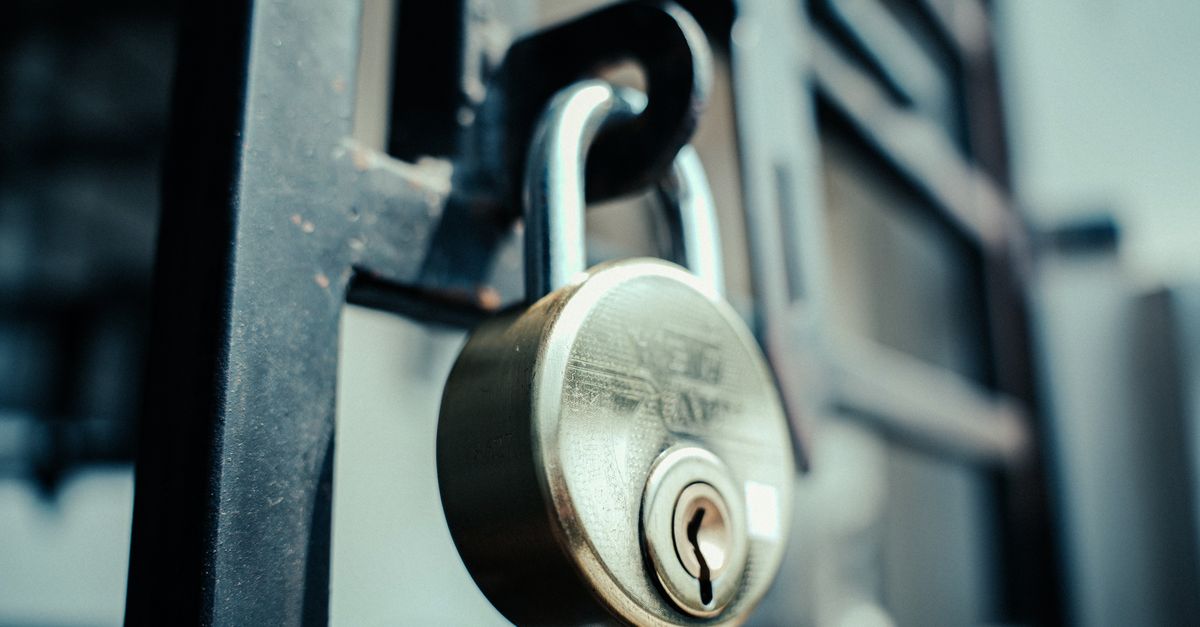
Walk through any big-box home improvement store and you'll see rows of cylindrical door knob locks and lever-handle locksets. They're easy to install because they require only two round holes drilled through the door face and edge. That simplicity, however, is also a security limitation: the internal mechanism is smaller, the strike plate engagement is shorter, and the lock chassis is more exposed to lateral force. A standard door knob lock on an exterior door, without a separate deadbolt, offers relatively modest resistance to a determined forced entry. This matters in any city, but Jacksonville's mix of older wood-framed homes — particularly in neighborhoods like Springfield, Ortega, and San Marco — means many doors were originally designed around mortise lock geometry and can feel noticeably weaker when a cylindrical lockset is substituted.
A mortise lock, by contrast, integrates the latchbolt and the deadbolt into one reinforced steel case that spans much of the door's edge height. The bolt throw is typically one full inch and the backset is deeper, making it far more resistant to shimming, spreading, and kick-in attacks. For Jacksonville homeowners with solid-wood or solid-core doors, upgrading to or maintaining a properly fitted mortise lock is one of the highest-impact security improvements you can make. Our team installs and services mortise lock hardware for both residential and commercial clients — if you're unsure what's currently inside your door stile, a quick assessment can tell you whether your existing hardware is giving you real protection or just the appearance of it. Call (904) 658-7222 any time and one of our skilled technicians can walk you through your options.
## Automotive Locksmith Secrets: Why Car Keys Got So Complicated
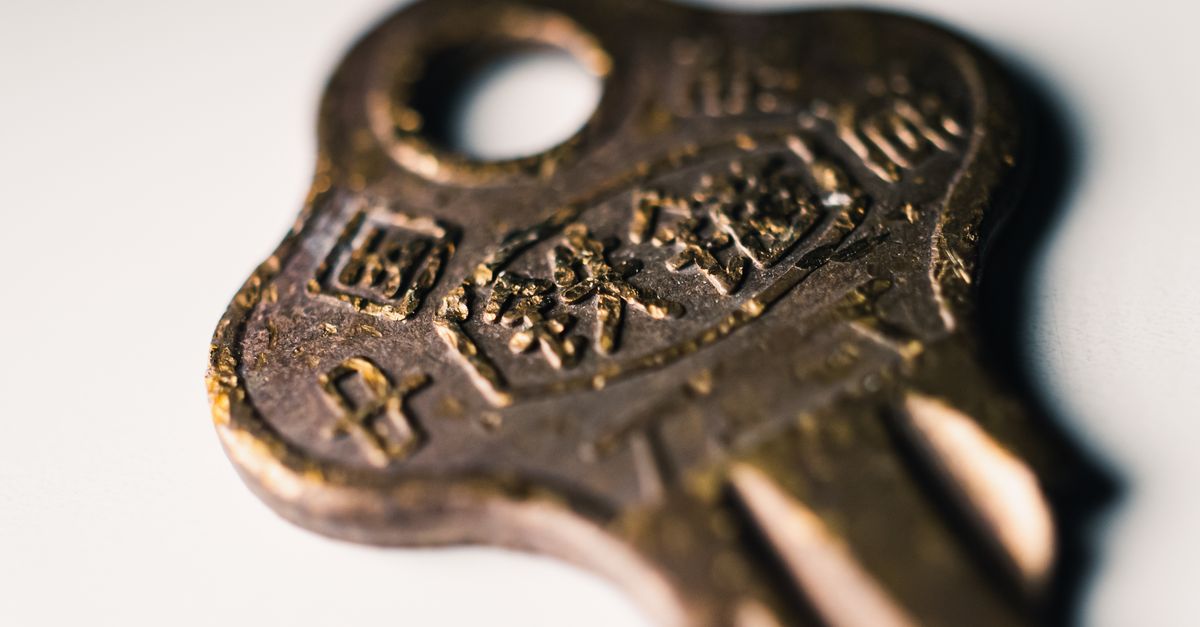
In the 1960s, a car key was a simple piece of cut steel — no electronics, no rolling codes, no transponder chips. Hotwiring was genuinely a threat, and vehicle theft was comparatively straightforward. The industry responded across several decades with increasingly sophisticated immobilizer technology. In 1995, transponder keys became mandatory across most European vehicles and quickly spread globally. A transponder key contains a tiny radio-frequency chip in the bow (the plastic head) that communicates with the car's Engine Control Unit. If the ECU doesn't receive the correct rolling code from the key at startup, the engine will crank but refuse to start — the fuel injectors or ignition remain disabled. Today, many modern vehicles use proximity fobs, push-button start systems, and encrypted rolling-code key fobs that change their authentication signal with every single use.
What does this mean practically? It means that duplicating or replacing a modern car key is a technical process, not a simple key-cutting job. The replacement key must be cut to the correct mechanical profile AND programmed to your vehicle's specific ECU — a process that requires professional diagnostic equipment. Factors that influence the cost of a replacement automotive key or fob include the vehicle's make, model, and year; whether the key needs to be cut, programmed, or both; the time of day the service is requested; and any travel distance to your location. We give you a confirmed, up-front price before any work begins — no surprises. As a fully mobile automotive locksmith team serving Jacksonville and surrounding areas including Ponte Vedra, Orange Park, and Fleming Island, we come to wherever you're stranded, whether that's the St. Johns Town Center parking deck or a side street off Beach Boulevard.
## Emergency Locksmith Reality: What to Do First, and When to Call
Finding yourself locked out — whether it's a home, office, or vehicle — triggers an immediate problem-solving reflex that sometimes leads people to make the situation worse. Before anything else, pause and run through a short mental checklist. For a home lockout: is there a spare key with a trusted neighbor, family member, or at your workplace? Is there a secondary entrance — a back door, garage entry, or window that you can confirm is unlocked from the outside? Do not force, pry, or attempt to manipulate the lock yourself; damaged lock hardware almost always costs more to repair than a professional lockout service would have. For a vehicle lockout: modern cars often have a mechanical key hidden inside the fob itself — look for a small release button on the back of the fob. Some manufacturers include a keypad entry code on a sticker inside the glovebox or owner's manual. Check before you assume all options are exhausted.
When those options are ruled out, calling a qualified emergency locksmith is the right move — and doing it sooner rather than later matters. Jacksonville's weather is no joke: summer heat inside a locked car can reach dangerous levels within minutes, making a vehicle lockout a genuine safety emergency, not just an inconvenience. A professional will verify your ownership or residency (this is standard practice and protects you as much as it protects property owners) and use purpose-built tools to open the lock without damaging it. If cost is a concern and you're weighing whether to call, know that the factors shaping your final quote are: the type of lock or vehicle, the complexity of the service needed, time of day, parts required, and travel distance to your location. We always confirm an exact price up front. Don't wait in a dark parking lot alone — our emergency locksmith team answers around the clock. Call (904) 658-7222.
## Commercial Locksmith Insight: Master Key Systems, High-Security Cylinders, and Why Grade Matters
Commercial properties face a fundamentally different security challenge than residences: multiple employees, multiple access levels, and the constant churn of staff changes mean that key control is an ongoing operational need, not a one-time installation. A well-designed master key system allows a building manager to carry a single master key that opens every lock in the building, while individual department keys open only designated zones. The mortise lock is the workhorse of commercial access control precisely because its larger format accommodates the more complex internal keyways needed for master keying without sacrificing cylinder security. Jacksonville businesses from the Southside Financial District to the historic storefronts along Hendricks Avenue rely on properly specified commercial lock hardware to balance accessibility with accountability.
ANSI/BHMA grading (Grade 1, Grade 2, Grade 3) is the industry standard that measures how many open-and-close cycles a lock can withstand, its resistance to physical attack, and the strength of its components. Grade 1 is the highest commercial rating — a Grade 1 mortise lock is tested to 250,000 cycles. When our commercial locksmith team assesses a property, we look at the grade of existing hardware, the condition of door frames and strike plates (a weak frame defeats even the best lock), key control practices, and whether access points are correctly matched to their traffic and security level. Rekeying after an employee departure, upgrading to restricted keyways, and installing electronic access control are all services our team handles for Jacksonville-area businesses. If your commercial property's lock hardware hasn't been audited recently, it's worth a conversation.
## Residential Locksmith Services: More Than Just Lockouts
The phrase 'residential locksmith' often brings to mind a single scenario: someone locked out of their house. In reality, the scope of residential lock service is much broader and more proactive. Jacksonville homeowners frequently call us for rekeying after a move into a new home (you genuinely do not know how many copies of the original key are floating around), after a relationship change, or after a key is lost. Rekeying changes the internal pin configuration so old keys no longer work — it is faster and less expensive than replacing the entire lockset and offers the same security result when the existing hardware is in good condition. We also install and repair door knob locks, deadbolts, mortise lock sets, sliding door security bars, window locks, and smart lock systems compatible with existing door prep.
Our residential locksmith services extend across Jacksonville's diverse housing stock — from post-war concrete block homes in Arlington to newer construction in Nocatee and St. Johns County. A fast mobile locksmith nearby means our team comes to your address fully stocked with the hardware and tools needed to complete most jobs on the first visit. There's no waiting for a part to be ordered — we carry a working inventory of common residential lock hardware including Schlage and Kwikset product lines, mortise lock components, and transponder key blanks for the most common vehicle makes. Whether it's 2 p.m. or 2 a.m., a Jax door lock locksmith service is just a phone call away at (904) 658-7222 — our mobile team operates 24/7 around the clock with no overnight surcharge surprises.
Frequently asked questions
How much does a locksmith cost in Jacksonville, FL?+
There is no single flat rate because every job is different. The factors that shape your final quote include the type of lock or vehicle involved, the specific service needed (lockout, rekey, new installation, key programming), the time of day, travel distance to your location, and whether replacement parts are required. What we guarantee is that you receive a confirmed, exact price before any work begins — so you can make an informed decision with no after-the-fact additions.
What is a locksmith call out fee, and what is the average call out fee for a locksmith?+
A call out fee (sometimes called a service call or dispatch fee) covers the cost of a technician traveling to your location with fully stocked tools and equipment. In the Jacksonville area, these fees vary between providers and are influenced by distance, time of day, and current demand. Rather than quote a figure that may not apply to your specific situation, we prefer to give you a complete, all-in price when you call — that total covers the visit, the service, and any parts needed, with nothing separated out to surprise you later.
Who is the best 24-hour locksmith in Jacksonville, Florida?+
We're Jacksonville Locksmith — a local, insured, mobile locksmith team that operates 24/7, including weekends and holidays. Our technicians are experienced with residential, automotive, and commercial lock hardware including mortise lock systems, high-security cylinders, and transponder key programming. We cover Jacksonville proper as well as surrounding areas like Ponte Vedra, Orange Park, and the Beaches. Call (904) 658-7222 any time — a real person answers around the clock.
What should I do if I can't immediately afford a locksmith service?+
Start by exhausting every free option: check for a spare key with a neighbor or family member, look for an unlocked secondary entrance to your home, or check whether your vehicle fob has a hidden mechanical key. If you're locked out of a car on a hot Jacksonville day, that is a safety situation and you should call us immediately — your safety always comes first, and we will talk through the service and confirm a price before any work begins so there are no unexpected charges. For non-urgent lock work like rekeying or upgrades, we're happy to prioritize the highest-impact service for your budget during the assessment visit.